• About WordPress
    • WordPress.org
    • Documentation
    • Learn WordPress
    • Support
    • Feedback
  • Log In

Health Affixed

Health Is Limitless

  • Home
  • About
  • HAWC
  • Blog
  • Podcast
  • Shop
  • Travel
  • Retreat

Starchy Vegetables v. Grains

May 3, 2018 by HAWC

We all need carbohydrates to function. Starch is a large chain of carbohydrates. Therefore, higher starch means higher carbohydrates. Fruits, vegetables, and grains generally have carbohydrates, but what is the best source?

Overall, fruits tend to have low amounts of carbohydrates.

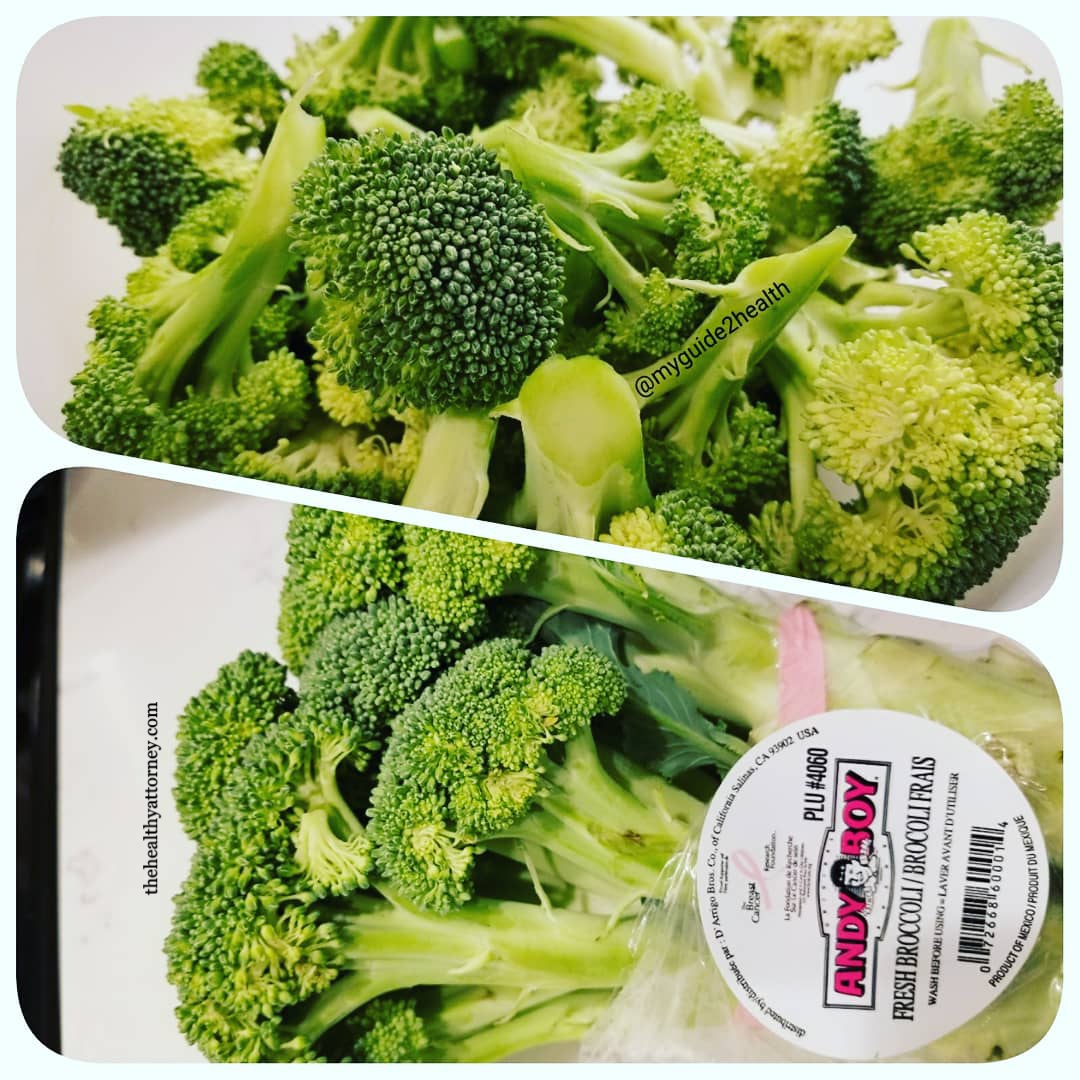
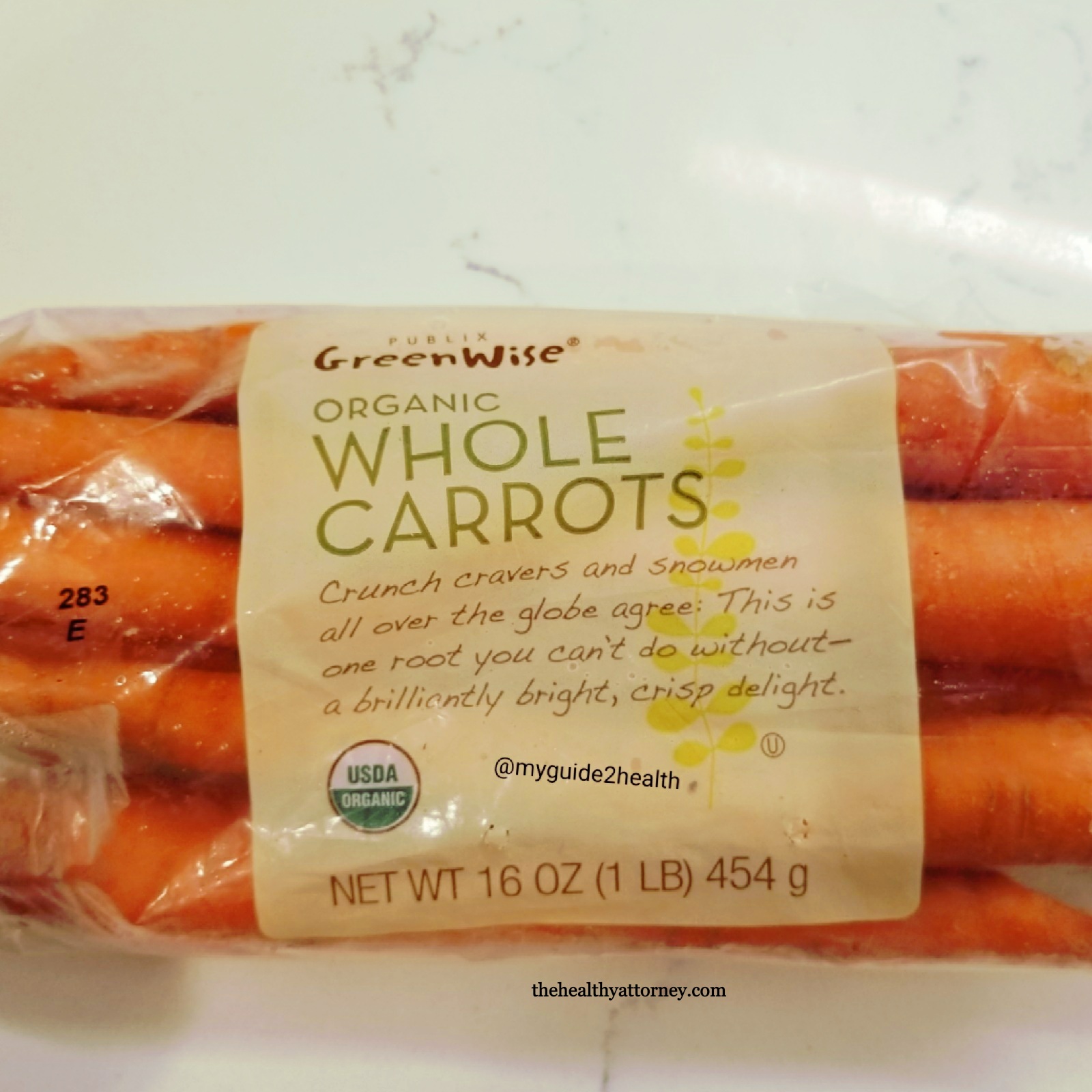
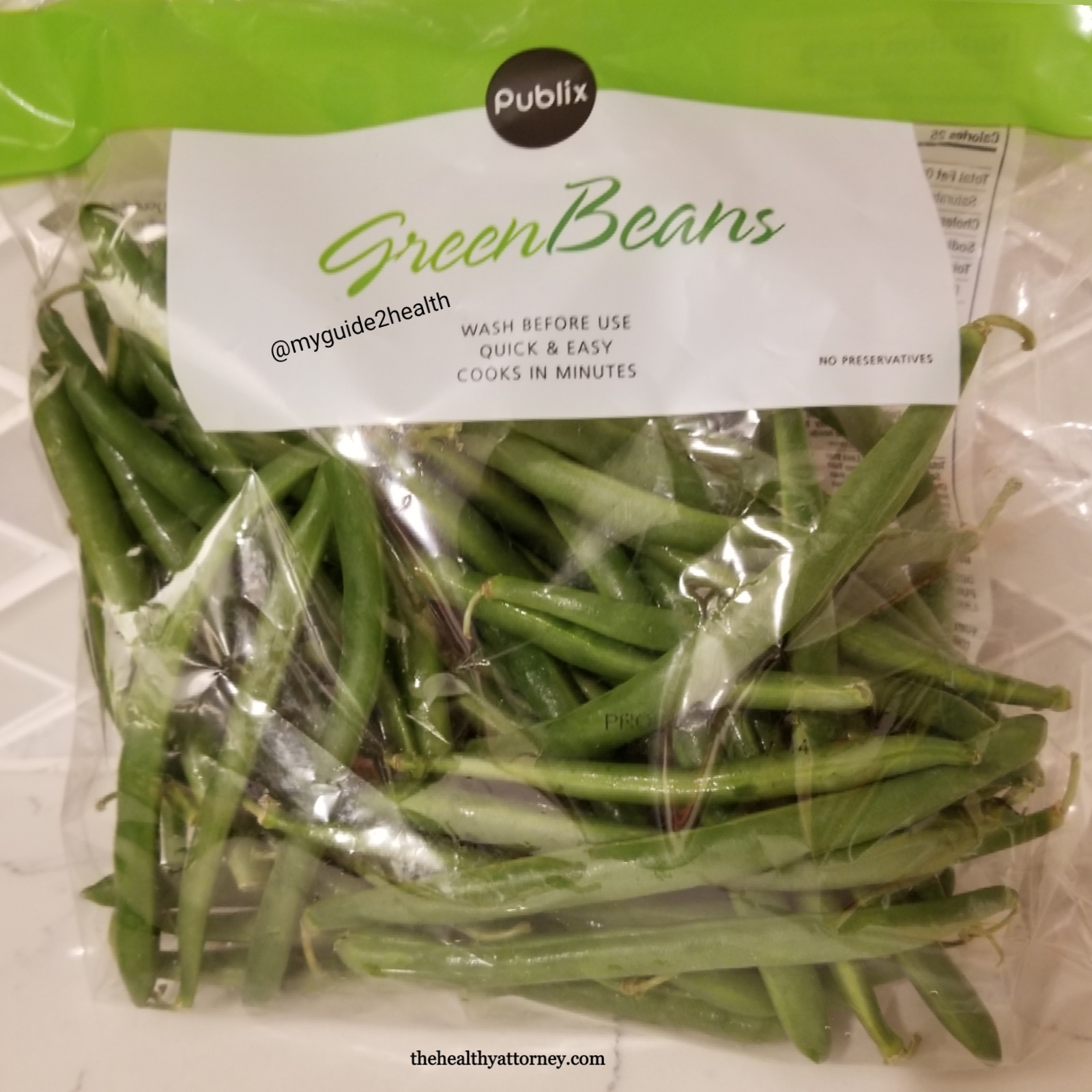
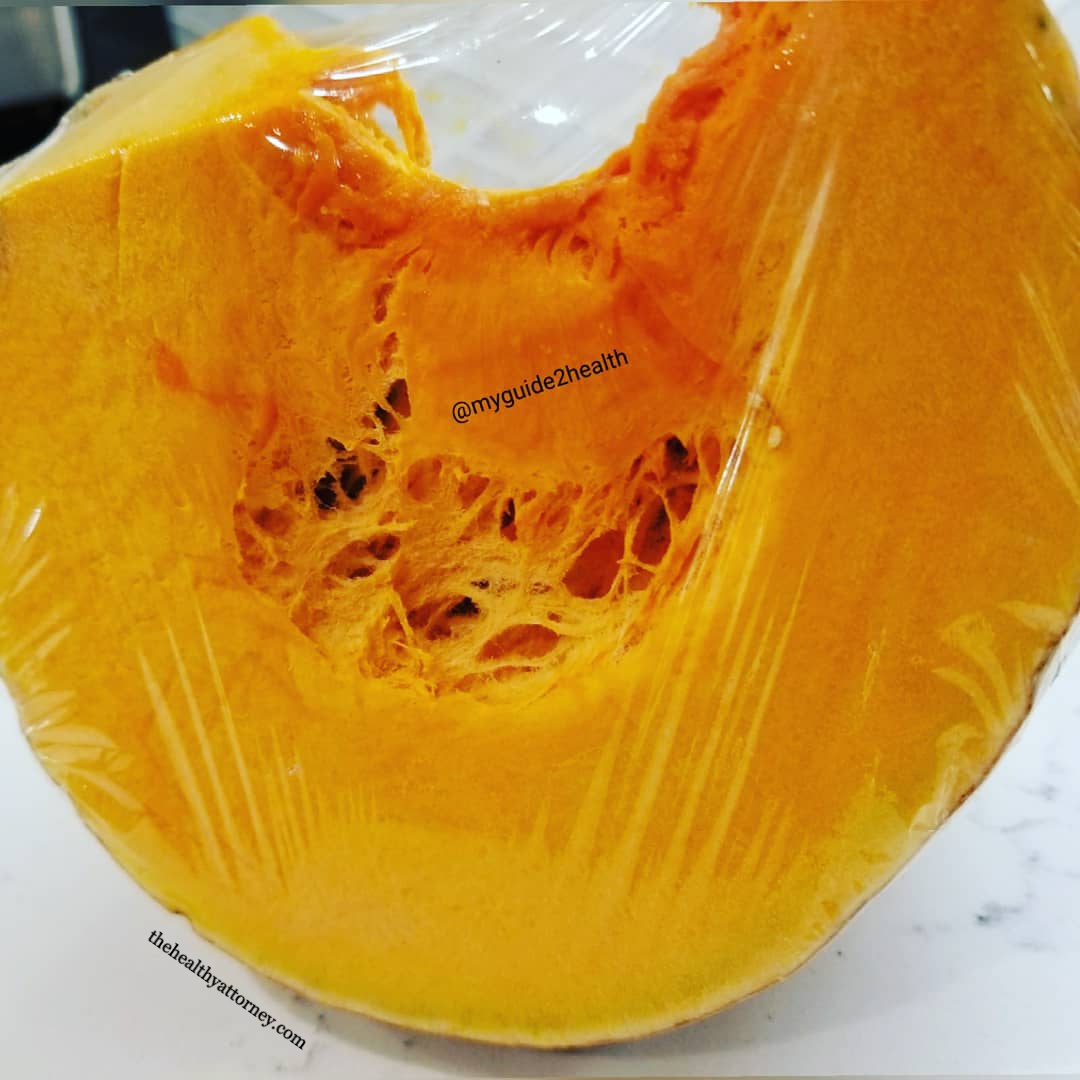
Starchy vegetables have a high amount of carbohydrates. Examples of starchy vegetables include potatoes, yams (and other root vegetables), carrots, corn, green peas, beans, green bananas, plantains, and peas. According to Verywell Health, a typical half cup serving of cooked starchy vegetables carries about 15 grams of carbohydrates. Preparing starchy vegetables in a healthy way means that you preserve as much of the antioxidants, vitamins, minerals, and fiber as possible. Eating starchy vegetables steamed, baked, or roasted is much more beneficial than eating them fried or in the form of chips. If you are unfamiliar with the preparation of starchy vegetables, check out the Veggie Recipes on the THA Recipes page.

Unsure whether a vegetable is starchy or non-starchy? Consider the water content; dense vegetables like potatoes have low water content and, as a result, they are high in starch. On the other hand, vegetables with high water content like cucumber and zucchini tend to be low in starch. These vegetables are generally considered non-starchy vegetables due to their lower starch content. If you are watching your carbohydrate intake, then you should opt for non-starchy vegetables because they carry fewer carbohydrates.

Grains are known to have high amounts of carbohydrates and tend to be one of the densest food items because of their very little water content. However, when it comes to grains, one should choose wisely. According to HealthLine, refined grains like white flour and white rice are considered simple carbs because most of their natural fiber, vitamins, and minerals were stripped during the refining process; as a result, they are considered empty calories. On the other hand, whole grains and minimally processed grains have higher amounts of their natural fiber, vitamins, iron, magnesium, phosphorus, manganese, and selenium. Whole grains like oats and brown rice are great additions to a healthy diet. However, even if you are not a fan of whole grains, you should still opt for minimally processed grains like unbleached organic flour and organic white rice.

The best source of carbohydrates appears to be starchy vegetables because they have higher water content than grains and contain a comparable amount of starch. Accordingly, for your carbohydrate needs, you should consider eating more starchy vegetables and fewer grains.


Filed Under: Food, Food Quality, HAWC Insights, Health

Seasoning the Meat

May 3, 2018 by HAWC

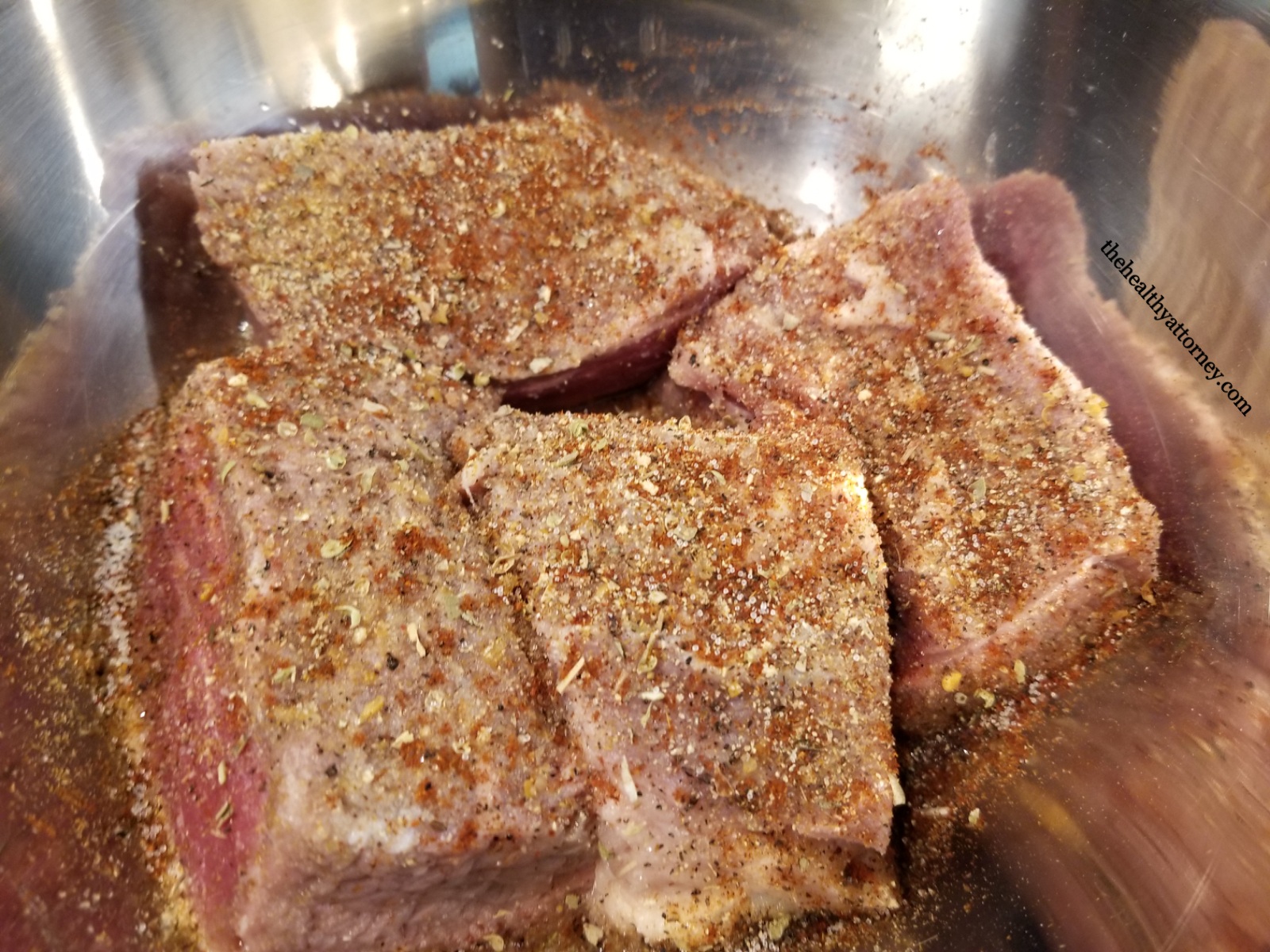
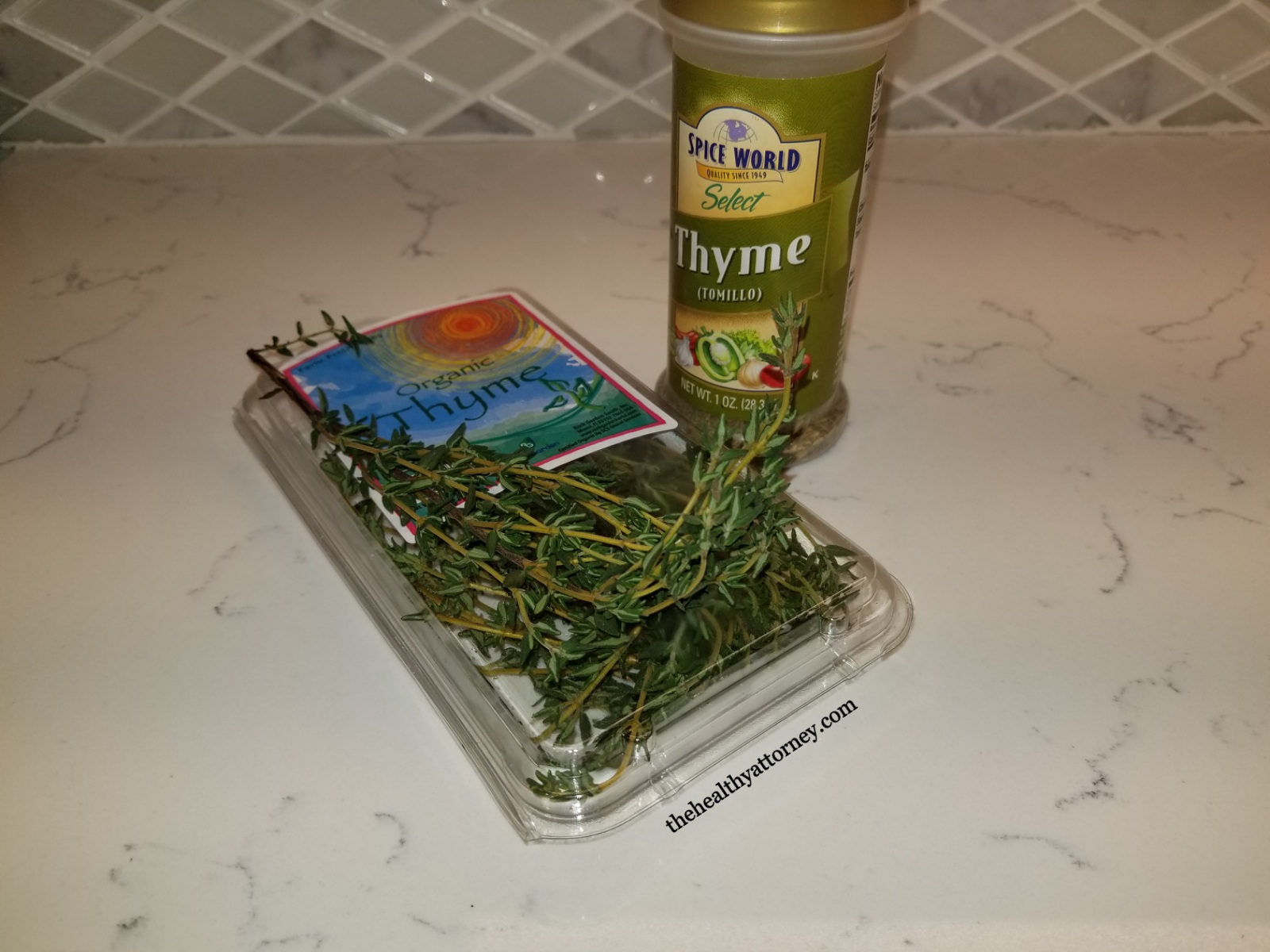
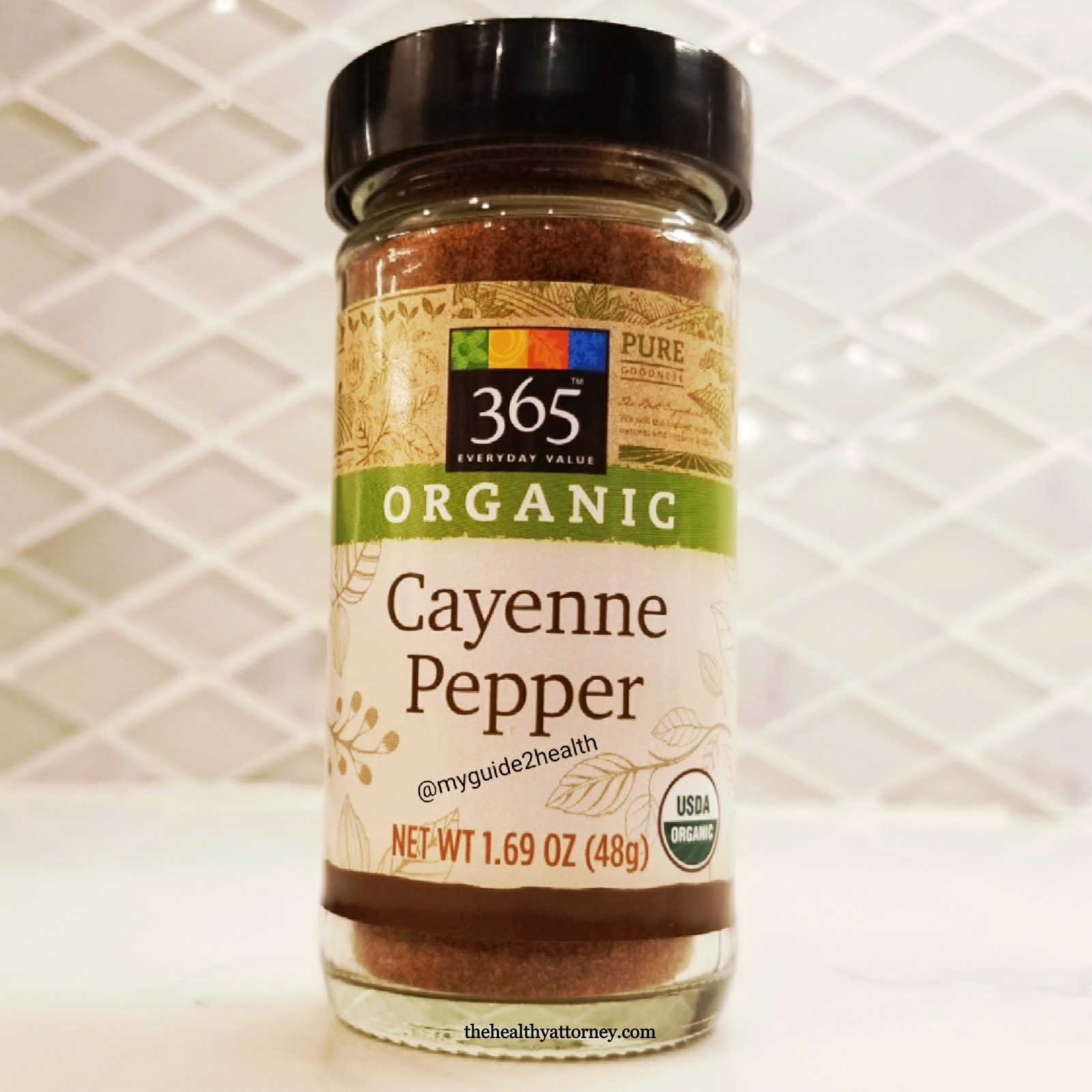
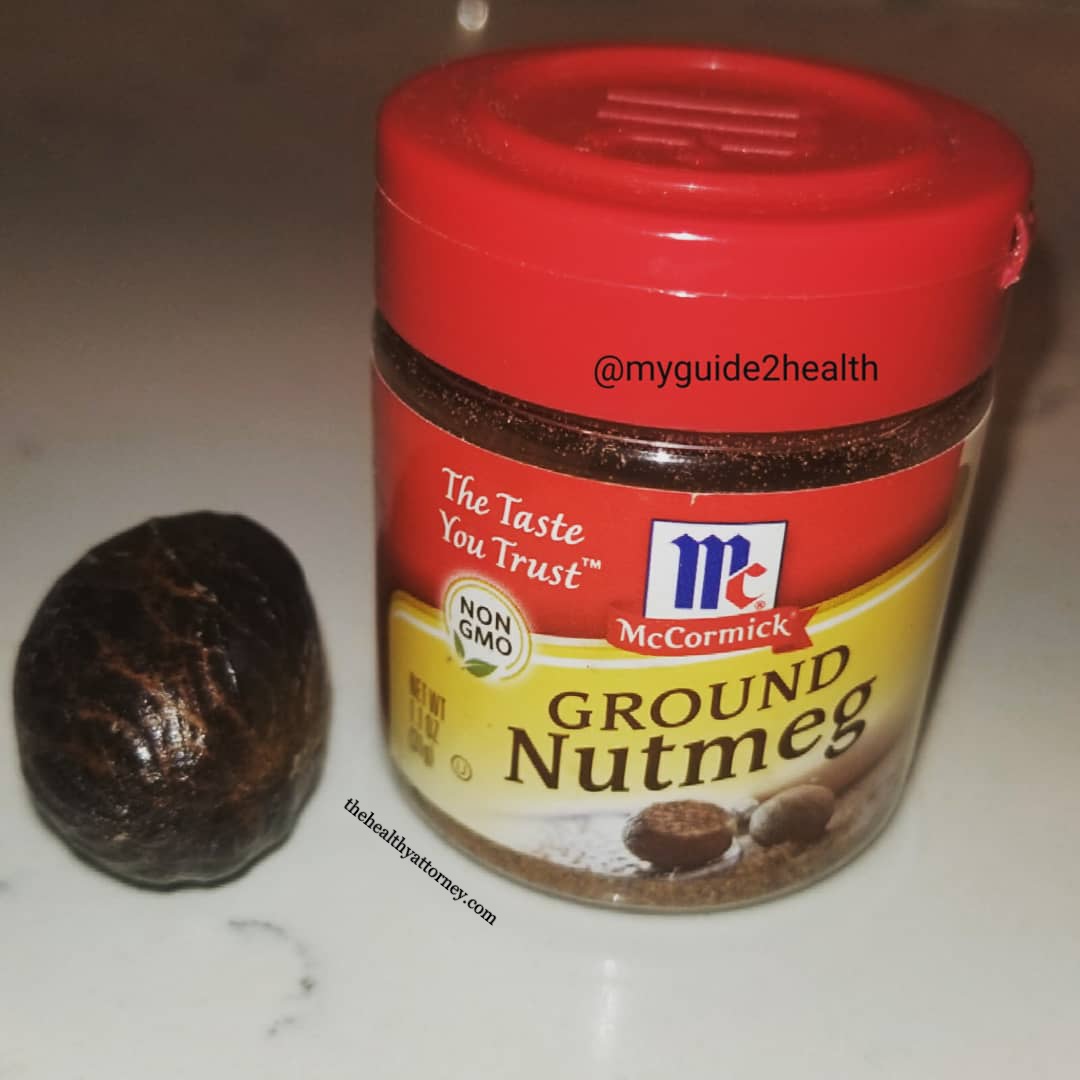
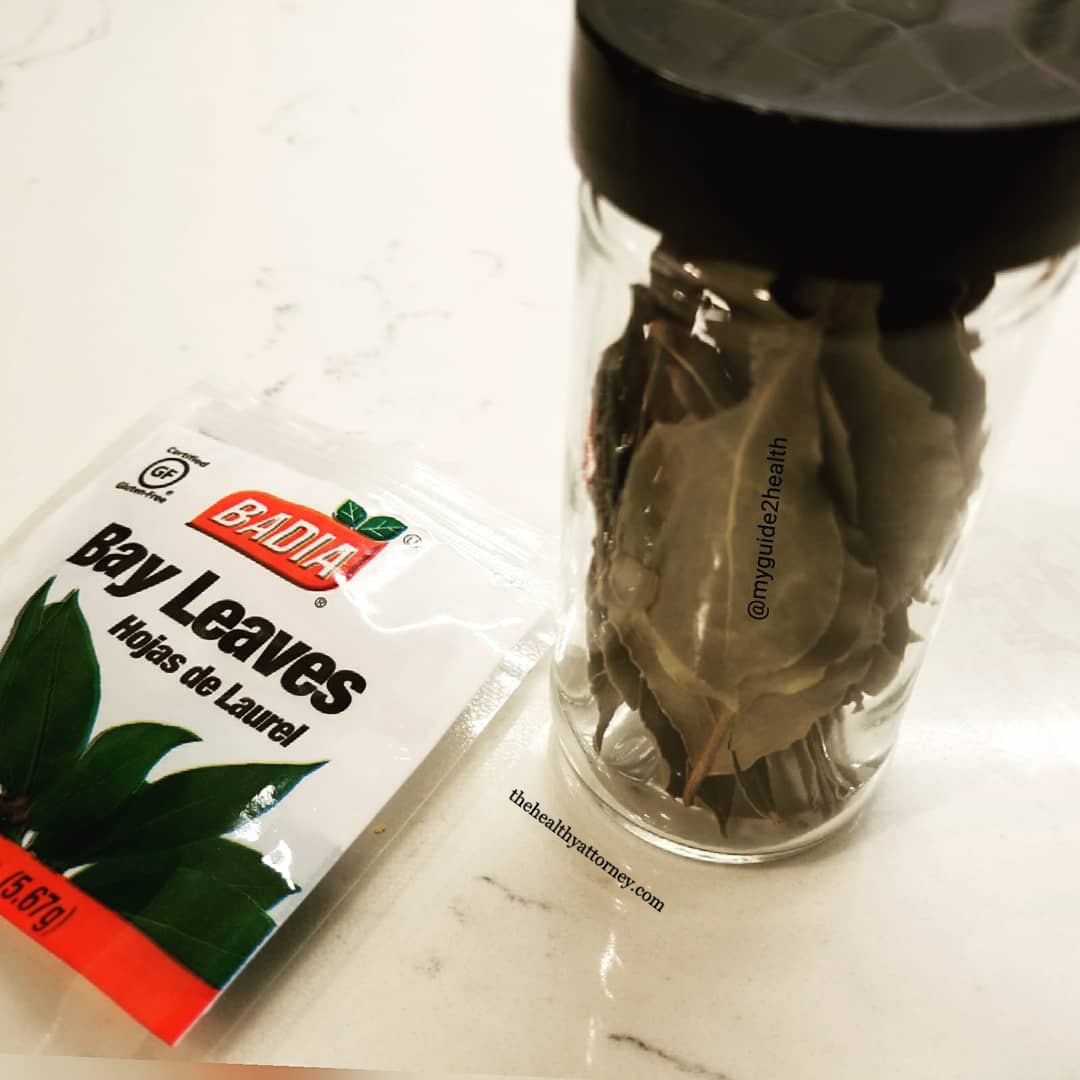
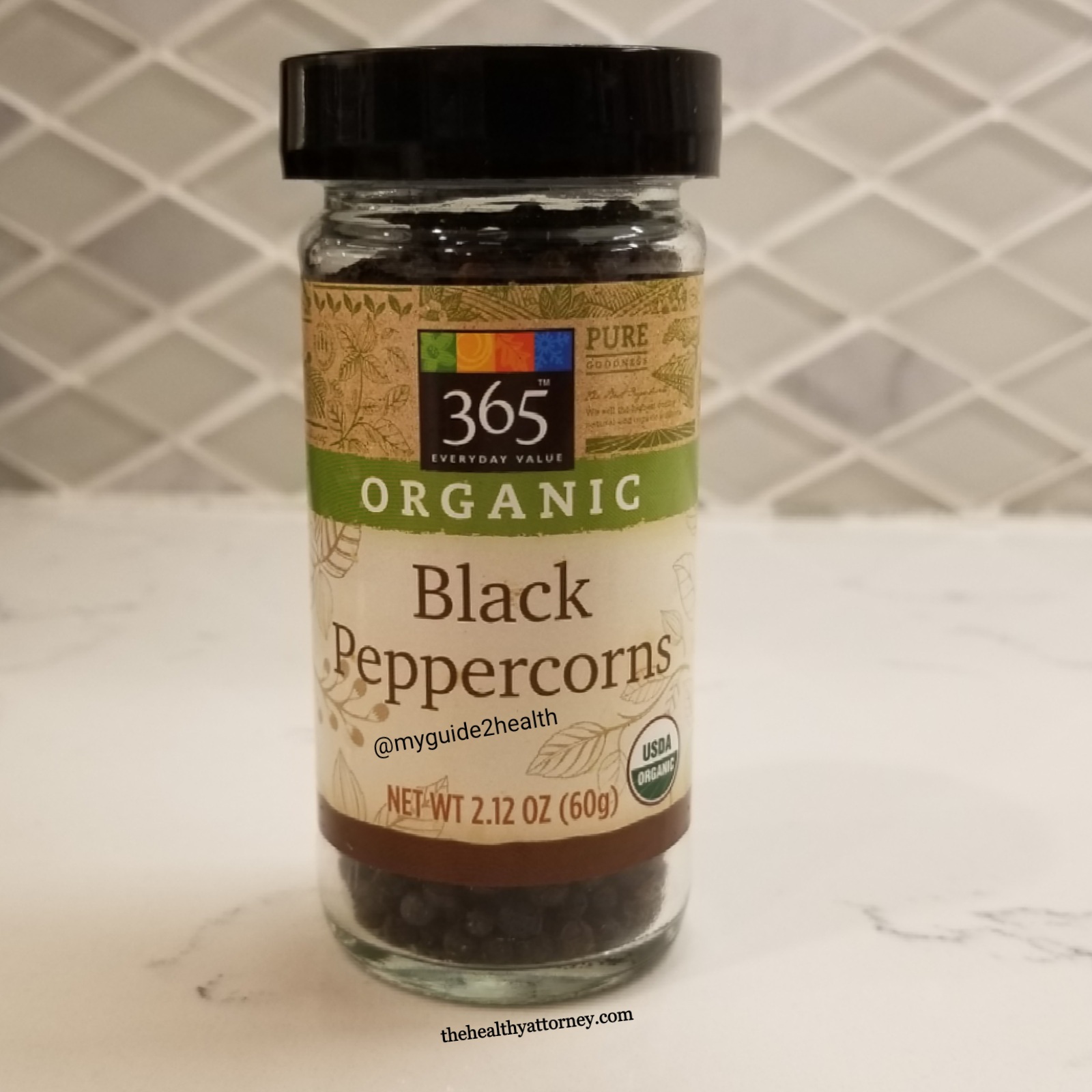
Bland meat is no bueno. Whether it’s experimenting with salts like Himalayan Salt, peppers like Garlic Pepper, or cultural seasonings like Caribbean seasonings, using seasonings will only enhance the natural flavors of the meat. A good marinade is also another option.

According to Spices Inc., savory herbs and spices that have strong flavors of their own pair well with beef. As for poultry, you can choose your seasoning based on the desired flavor for the rest of the meal because poultry pairs well with a variety of seasonings like curry, mint, and tarragon.

It is also important to allow the flavors of the meat and seasonings to meld before cooking the meat. The time needed will depend upon the amount of meat and your time constraints. Aim for 45-60 minutes at room temperature, but, if you’re short on time, 20-30 minutes at room temperature will allow the seasonings to soak a little deeper into the meat than cooking it right away.

Bottom line: there are a ton of seasonings that you can use to enhance the flavor of your meats. Your taste buds will thank you for the additional flavor.

Filed Under: Food, Food Quality, HAWC Insights, Health

Lawyers’ Health

May 3, 2018 by The Healthy Attorney

Most professionals are inundated with various tasks, and they struggle to keep a good work life balance. A while ago, the Florida Bar published an article about lawyers’ well-being. In that article, it stated that lawyers’ suicide rate is double that of the general population, 18% of lawyers are alcoholics which is double the national average, 33% of lawyers are diagnosed with a mental disorder, lawyers are 3.6 times more likely to suffer severe depression, and 7 of 10 lawyers would change careers.

All professionals may not have the same statistics above, but most share the same issues that impact their livelihood and career. Help is available to those in need. For more information, go to ABA for more information.

Filed Under: Health, Legal Impact

Weakness: Dessert

April 21, 2018 by HAWC

If you have the room, get the dessert. The choice to get dessert is an empowering one that sometimes requires planning and determination.

If there is a particular dessert that you’ve wanted to try, then go to the restaurant with the dessert in mind. Eat a very light meal and order the dessert. Share the dessert with the table and eat only as much as you need to satisfy your craving. Then, stop and box it or leave it.

Just like that, you had your cake and ate it too…without the guilt. One dessert never sabotaged a diet, but skipping the dessert and rewarding yourself with a hefty entrée is counterproductive and unsatisfying.

Filed Under: Food, Health, Weakness

Greenery: No Grass

April 21, 2018 by HAWC

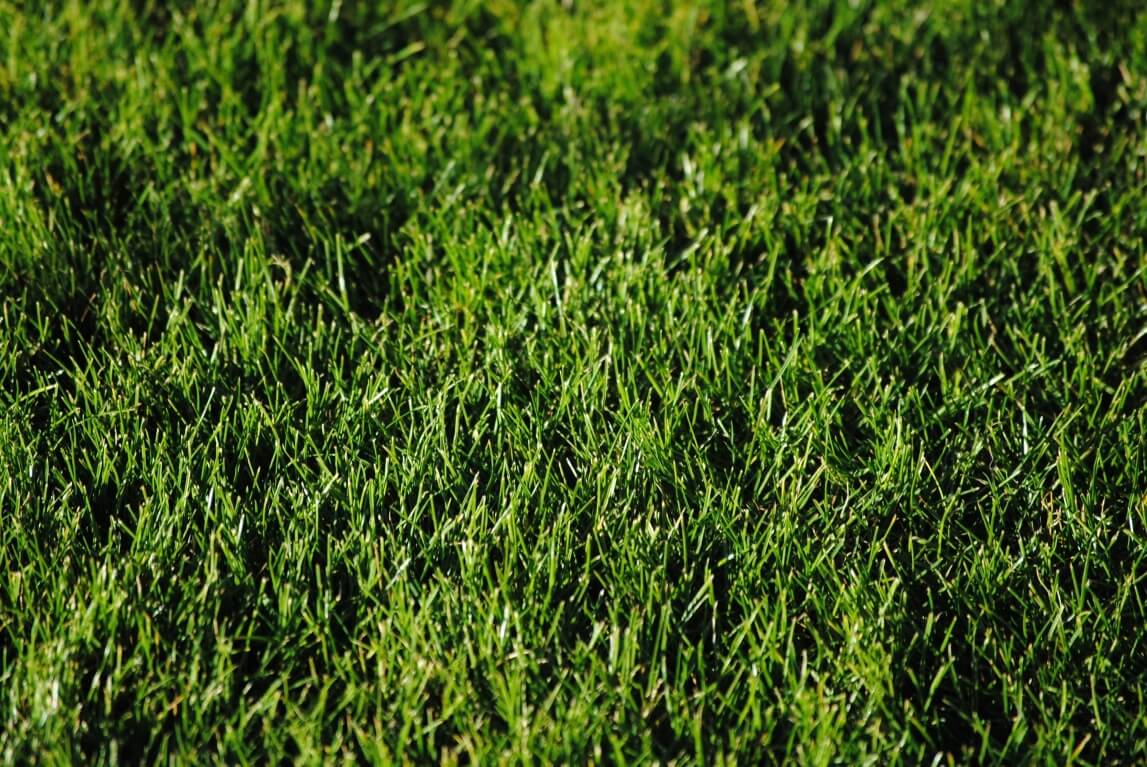
The grass does not grow in my backyard. I was looking for another alternative and considered artificial turf until I read about the potential health risks.

According to HuffPost, there are growing concerns about the potential health and environmental impact of synthetic grass. Apparently, Amy Griffin, a college soccer coach in Seattle, noticed that a number of soccer goal keepers, who played on artificial turfs infilled with recycled rubber tire crumbs, developed blood and other rare cancers. She argues that enough research has not been completed on the risk of harm to those who make frequent contact with the turf.

In addition to the lack of research regarding the potential health risks to the public, the available information does not seem to be favorable. For example, artificial turf heats up in the sun which may cause blisters, burns, and worsen environmental issues due to the increased rate in which heated toxins are released into the air. Likewise, another environmental concern is flooding. If you live in an area that may receive a lot of rain at any given time, then installation of a drainage system must be considered. Unlike natural grass, without proper drainage in place, water settles on top of artificial grass which can lead to flooding.

In conclusion, it is generally recommended that the use of artificial turf be limited to those with no other practical options. If you do not fit in this category, consider skipping the artificial grass until more research is available.

Filed Under: Health, Warning

  • « Previous Page
  • 1
  • 2
  • 3
  • 4
  • 5
  • 6
  • Next Page »

Main Categories

Health
Wellness
Lifestyle

General Categories

Challenge
Food
Beverage
Exercise
Wealth

Specific Categories

Warning
Mentality
Food Quality
Legal Impact
Weakness

Copyright © 2026 · Health Affixed, LLC | Terms & Policy of Use