• About WordPress
    • WordPress.org
    • Documentation
    • Learn WordPress
    • Support
    • Feedback
  • Log In

Health Affixed

Health Is Limitless

  • Home
  • About
  • HAWC
  • Blog
  • Podcast
  • Shop
  • Travel
  • Retreat

Warning: Drinking Too Much Water

May 3, 2018 by HAWC

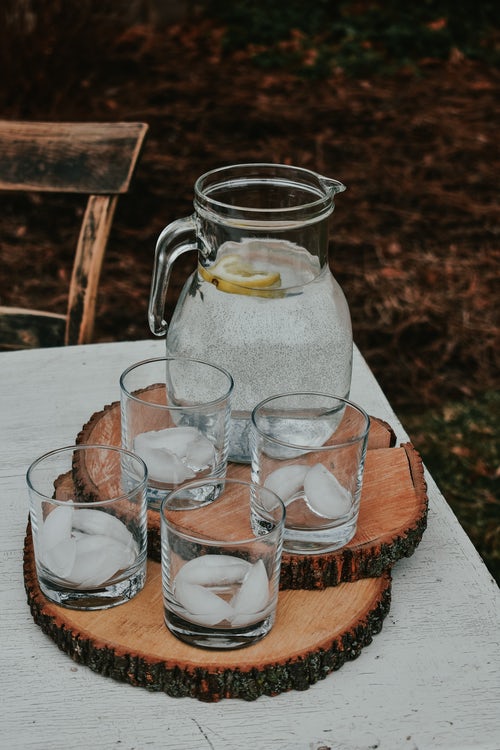
A cold glass of water makes a very refreshing drink on a hot day or after a sweat session, but what if one glass is not enough? What if I need five glasses of water or a 20 oz bottle? Will I suffer from water intoxication or hyponatremia?

According to WebMD, individuals who are young and healthy will generally not develop hyponatremia unless they drink multiple liters of water at once. Our kidneys can only expel about half a liter of water within an hour. A half of a liter is equivalent to about 17 fluid ounces. So, if I were to consume a 20 oz bottle of water in one sitting, I will likely not put myself at risk of developing hyponatremia. However, if I drank four 20 oz bottles of water in one sitting, the chance of developing hyponatremia becomes much more likely.

When you drink an enormous amount of water at one time (think multiple gallons), the excess water may cause your sodium or salt levels to reduce drastically which may result in the fatal condition called hyponatremia. The sodium levels are regulated so that the fluids around the cells remain balanced. When the sodium levels are too low, the fluids move from the blood to inside the cells which causes the cells to swell. Swelling inside of the brain is a serious problem that requires swift medical attention and can result in seizures or a coma. If you are exercising for two hours or more, you should consider replenishing with a sports drink in conjunction with plain water; search this website for the post called “Recovery Basics: Cool Down and Replenish” for more information.

According to M.D. Alert, each year more athletes suffer from hyponatremia than dehydration. John Henry Dreyfuss advises that approximately 13-15% of endurance athletes have experienced hyponatremia. In addition, he states that sodium supplementation does not appear to affect the occurrence of hyponatremia. As a result, it appears that the most effective advice that coaches can provide is to tell endurance athletes to drink only when thirsty.

Bottom Line: Too much of anything can be harmful as the body seems to thrive in a balanced state; water is no exception. Drink water when thirsty and avoid consuming gallons of water as a weight management technique. Otherwise, you may end up putting yourself at risk for hyponatremia.
Filed Under: Beverage, HAWC Insights, Health

Warning: Avoid Water with Meal

May 3, 2018 by HAWC

In the old days, the trick to obtaining a full stomach quickly was to drink a sip of water before and after each bite of food. It was a tedious method that I found to be difficult to practice. I may have tried it once or twice during a meal, but I knew it would not be something that my psyche or body could tolerate on a regular basis.

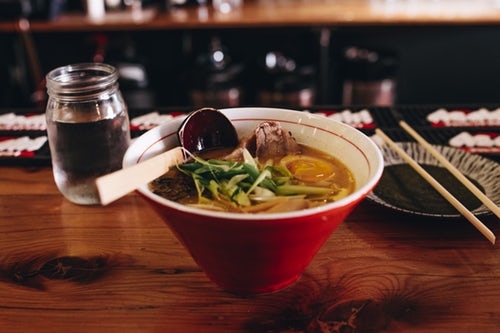
About a year ago, I read that you should not drink water while eating. In fact, according to The Times of India, drinking water while eating may severely hamper the stomach’s digestive powers and cause insulin levels to spike or fluctuate significantly. Macrobiotic counselor, Shonali Sabherwal, warns against drinking water with a meal because it may dilute the digestive juices that the stomach releases in anticipation of the meal that is about to be consumed. The article states that drinking a sip or two of water while eating should not cause an issue, but drinking a glass or two may cause digestive issues.

It would appear that the best course of action is to make sure that you are hungry and not thirsty before you even begin eating a meal. Search this website for the post called “Feelings: Separating Thirst from Hunger” for more information. As noted above, a few sips during the meal is fine, but you should not drink a full glass or two of water until approximately two hours after your meal.

The reason you may feel the need to drink so much water during the meal may be because the meal is salty or you are inhaling your food. Both of these issues can trigger the thirst reflex. Avoid salty foods and chew your food slowly so that it is properly moistened before it is swallowed.

Filed Under: Beverage, Challenge, HAWC Insights, Health

Breakfast: A Closer Look

May 3, 2018 by HAWC

According to Wikipedia, the word breakfast comes from the Old English word disner which means to break a fast. The word was used to describe the first meal eaten in the day. Then, in the 15th century, the word “breakfast” came into use and was known to mean breaking the fasting period of the prior night. Now, we associate breakfast with the first meal of the day that is eaten before noon.

According to Priceonomics, breakfast began as a morning ritual during the Industrial Revolution once people stopped farming and started working as employees; because people were no longer in control of their time, breakfast allowed them to work longer hours for the employer. Then, there was a period of time where breakfast was more like dinner in that it was a heavy meal consisting of meat, potatoes, cakes, and pies. In the 1800s, that hefty breakfast ritual led to complaints of chronic indigestion. A healthier breakfast trend developed with the advent of graham crackers, granula, and corn flakes from 1827 to the 1890s. As you know, however, those healthier options were soon overrun by sugary options.

Arguably, one can say that, at this point in time, breakfast is anything you want it to be. Whether that’s a healthy cereal; oatmeal; pop tarts; country fried potatoes; hash browns; corn beef hash; quiche; eggs; steak and eggs; sausages and eggs; bacon; muffins; bagels; pastries; etc., as long as it is eaten before noon, it is considered breakfast.

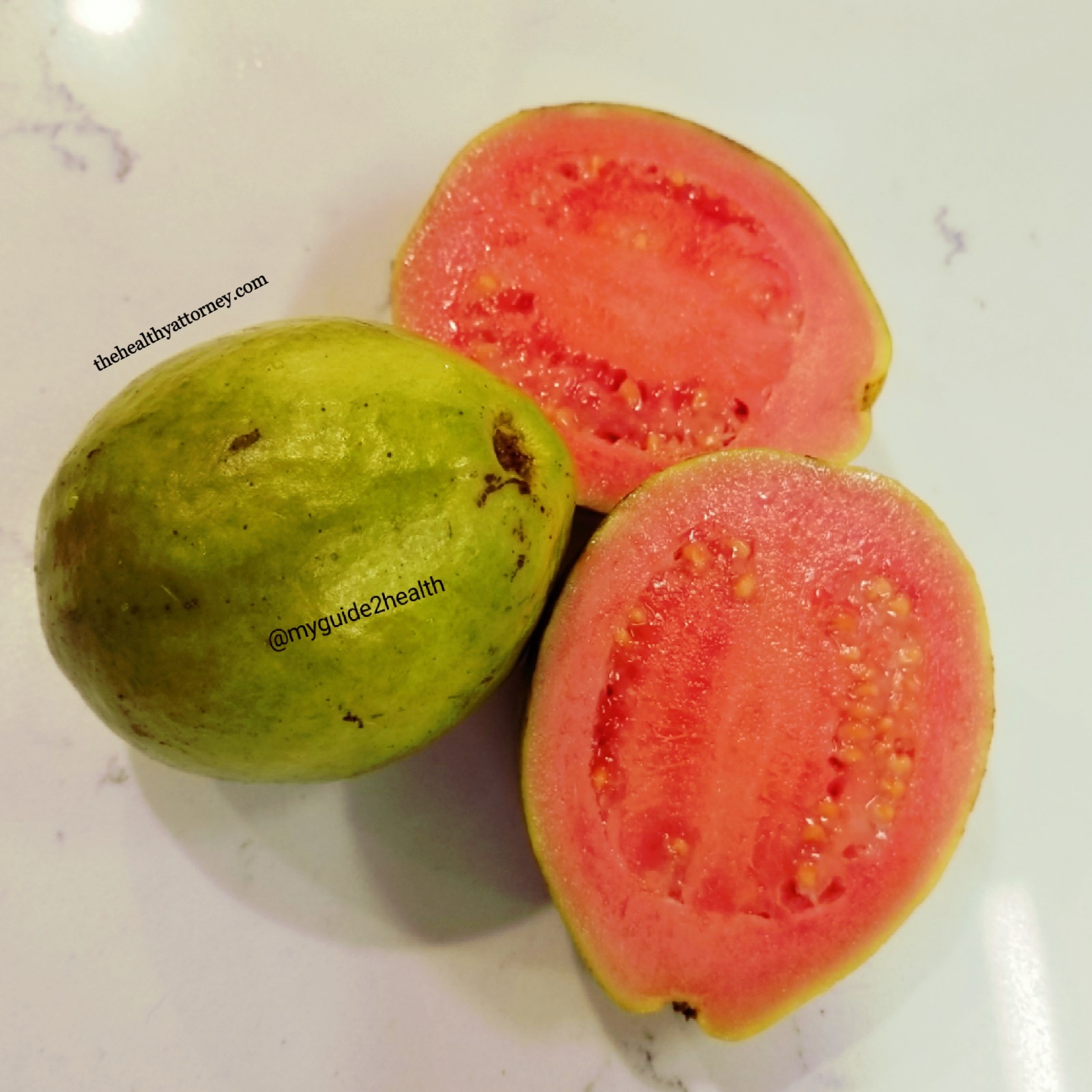
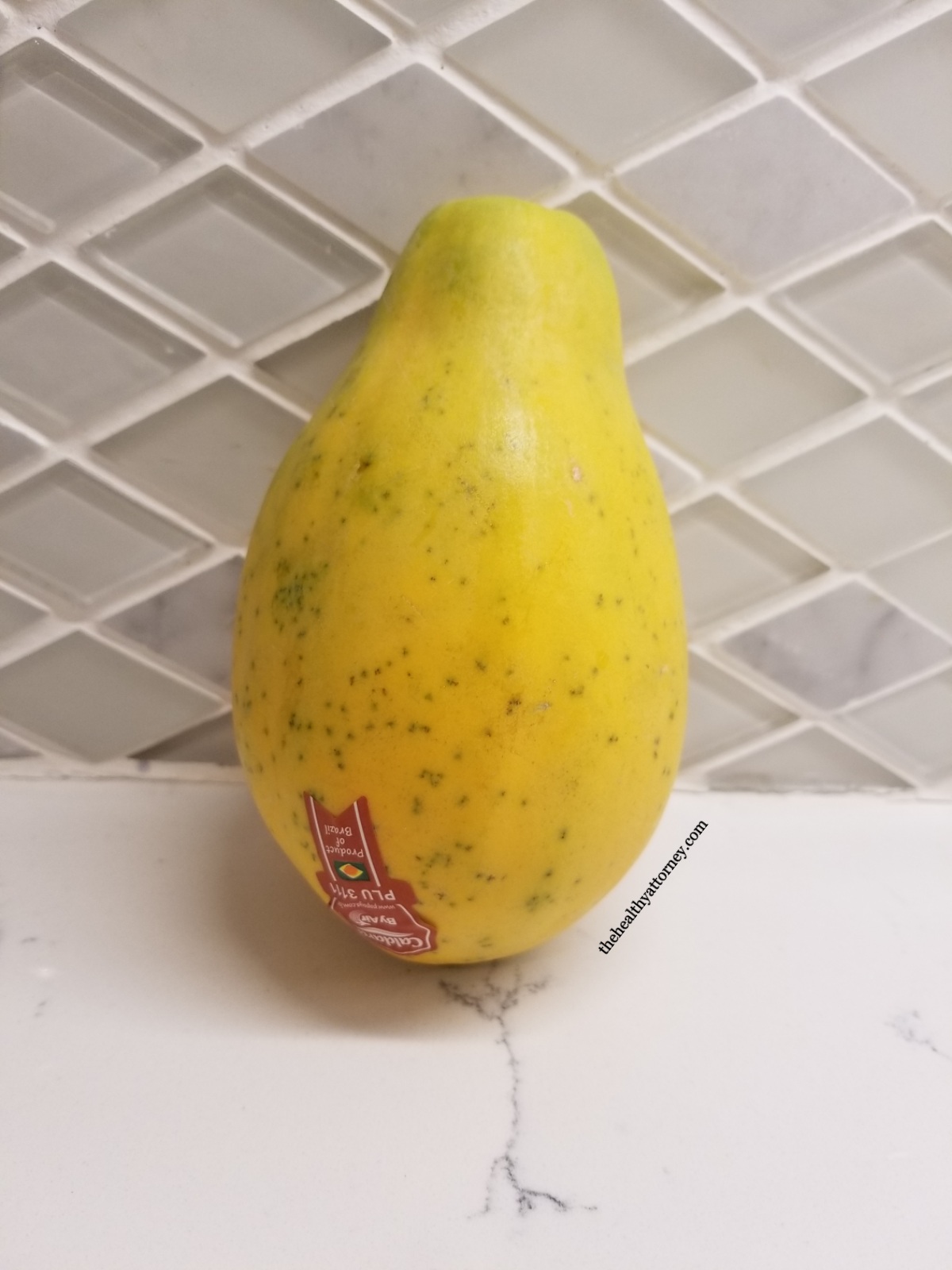
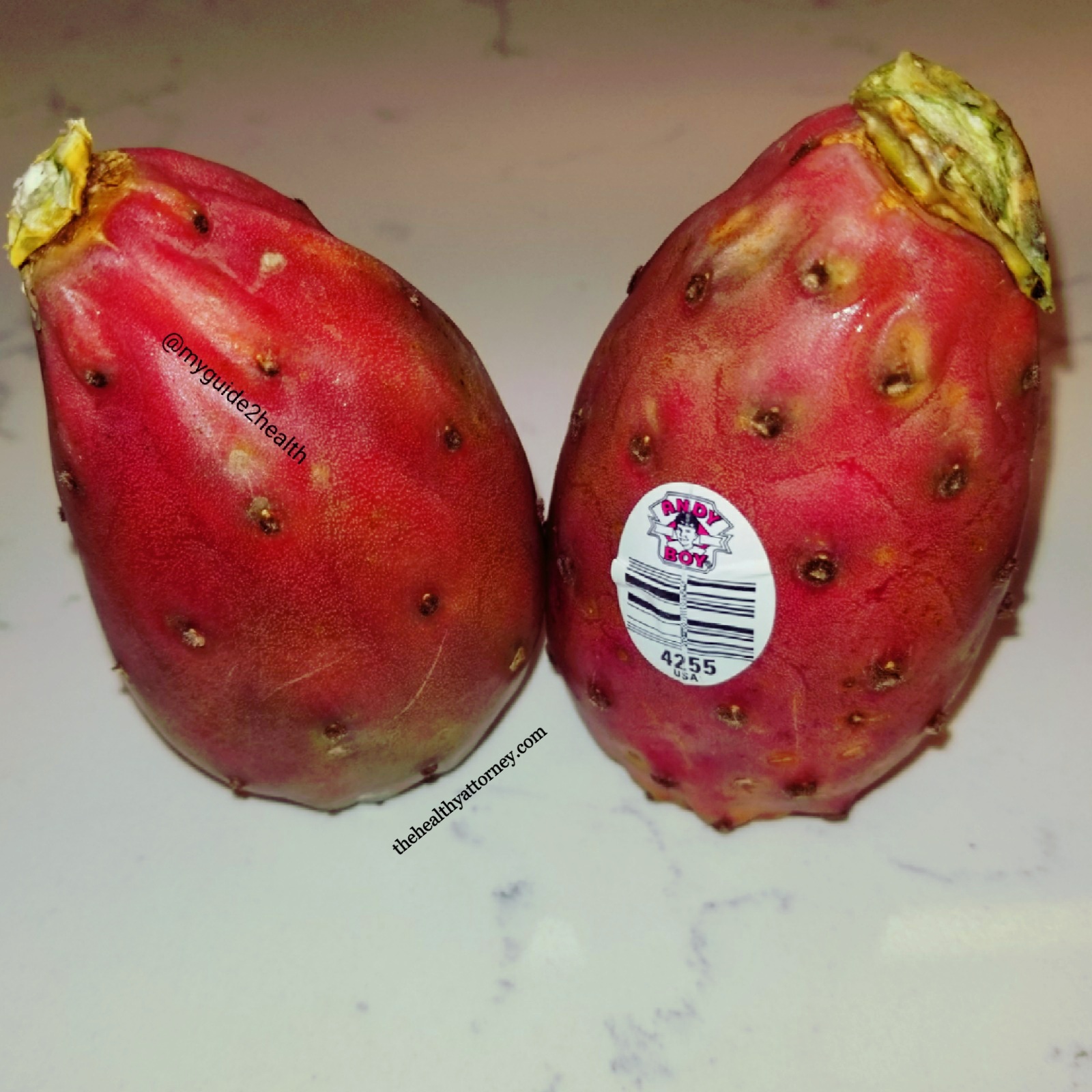
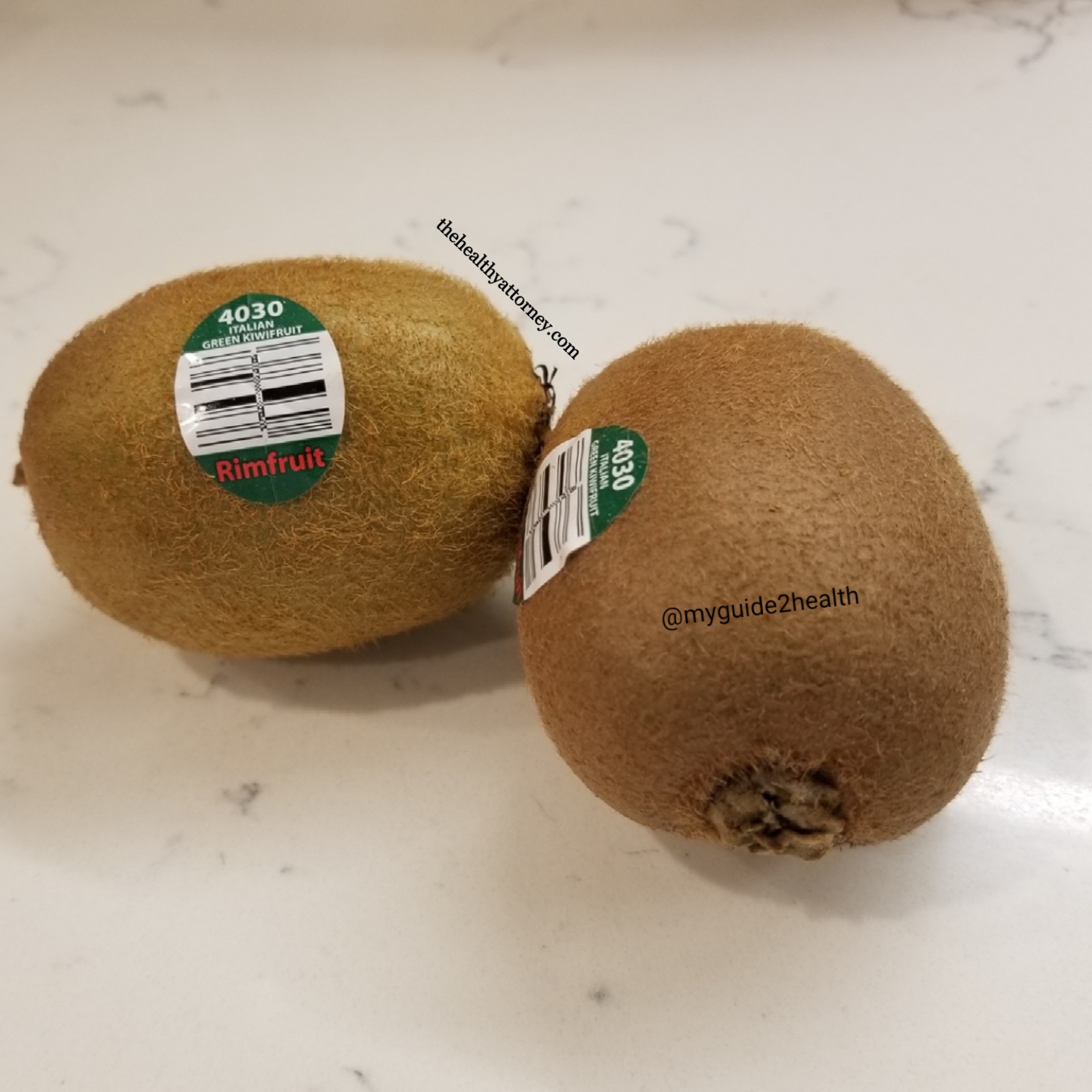
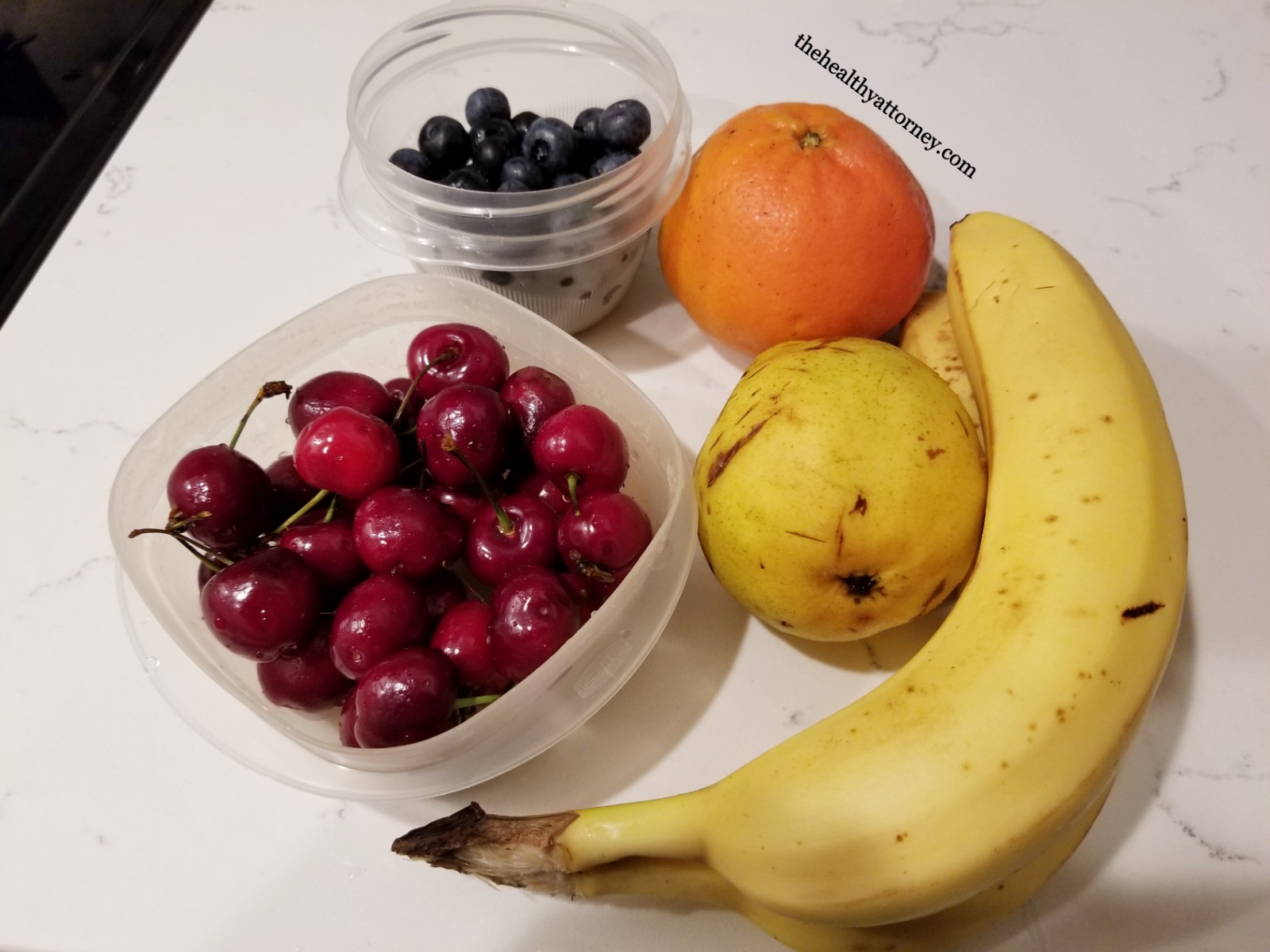
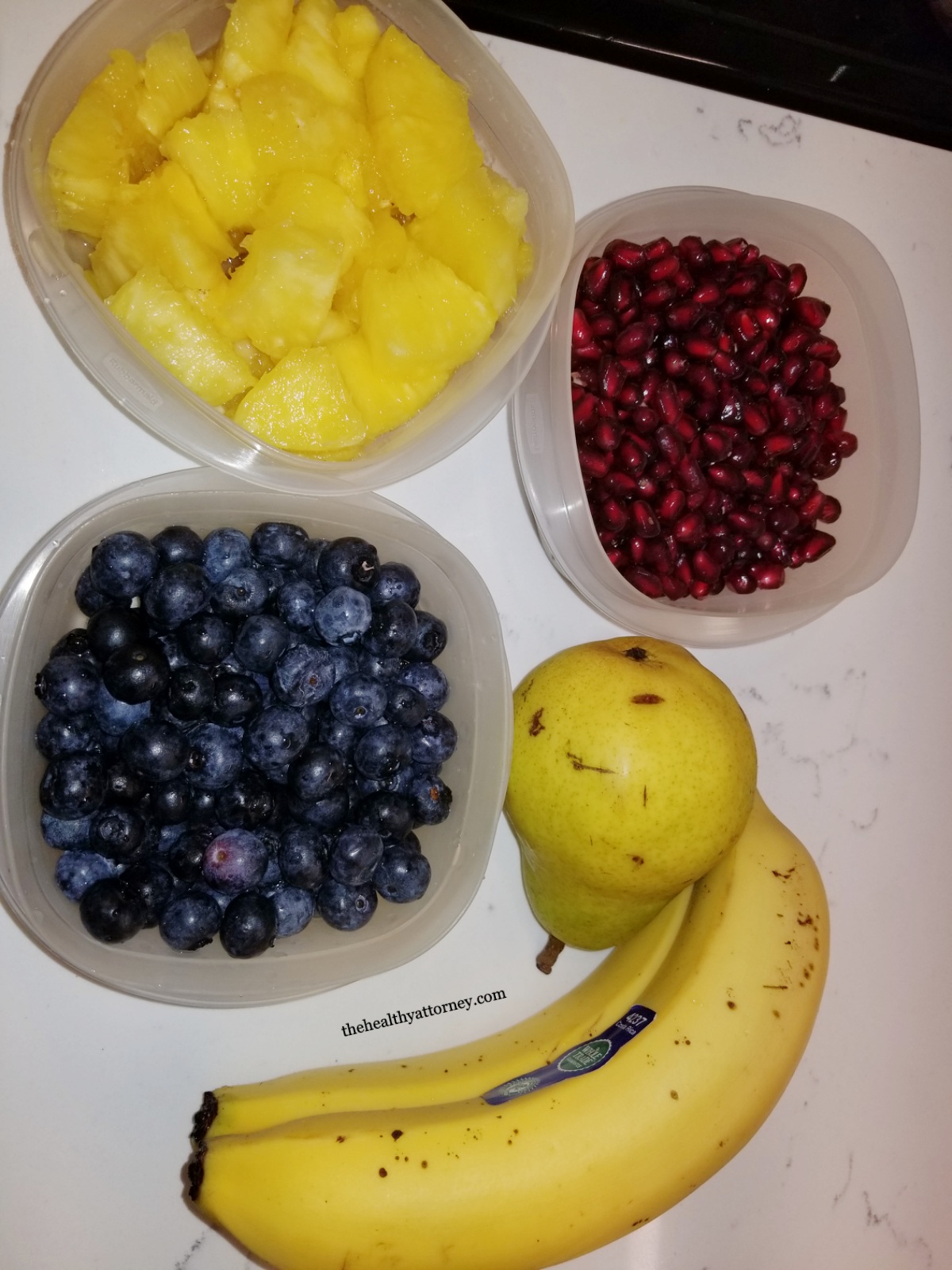
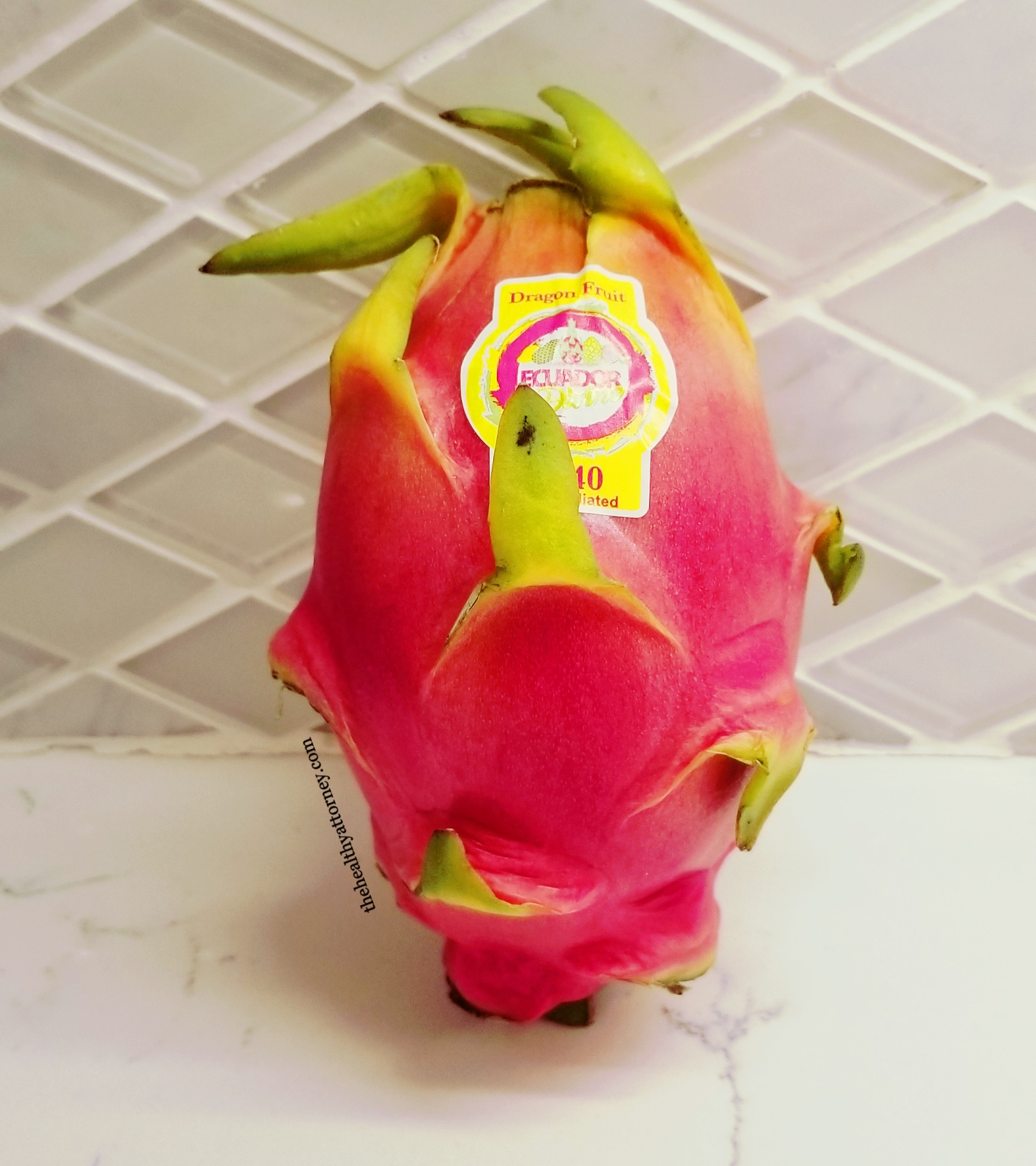
However, the food eaten before noon and used to break the fasting period of the prior night does not have to be grain or meat friendly. Why not start the morning with a fruit? Break the fast of the prior night with a healthy and light fruit before eating your cereal, bagel, eggs, fried potatoes, sausages, or bacon. One fruit and then proceed with your “breakfast” ritual.

THA Breakfast Challenge: 1 fruit in the morning before any other food item or your breakfast ritual.

Let’s go!


Filed Under: Challenge, Food, Food Quality, HAWC Insights, Health

Home Work

May 3, 2018 by HAWC

In an ideal work life balanced world, work is kept at work; one does not take work home in an ideal world, but that is often not the case.

According to Rodale Wellness, taking work home is not only common, but it is also unhealthy. Dr. Ken Nedd states that, when you carry work home, you deny yourself the relaxation and recovery time that your body naturally anticipates at home; instead, by carrying work home, your body is forced to remain in the constant state of stress that it experienced at work. Dr. Nedd believes that the constant stress also overloads your body and causes the body to send messages to release cortisol and other chemicals that tend to increase appetite for fat and sugar as well as decrease the ability to exercise.

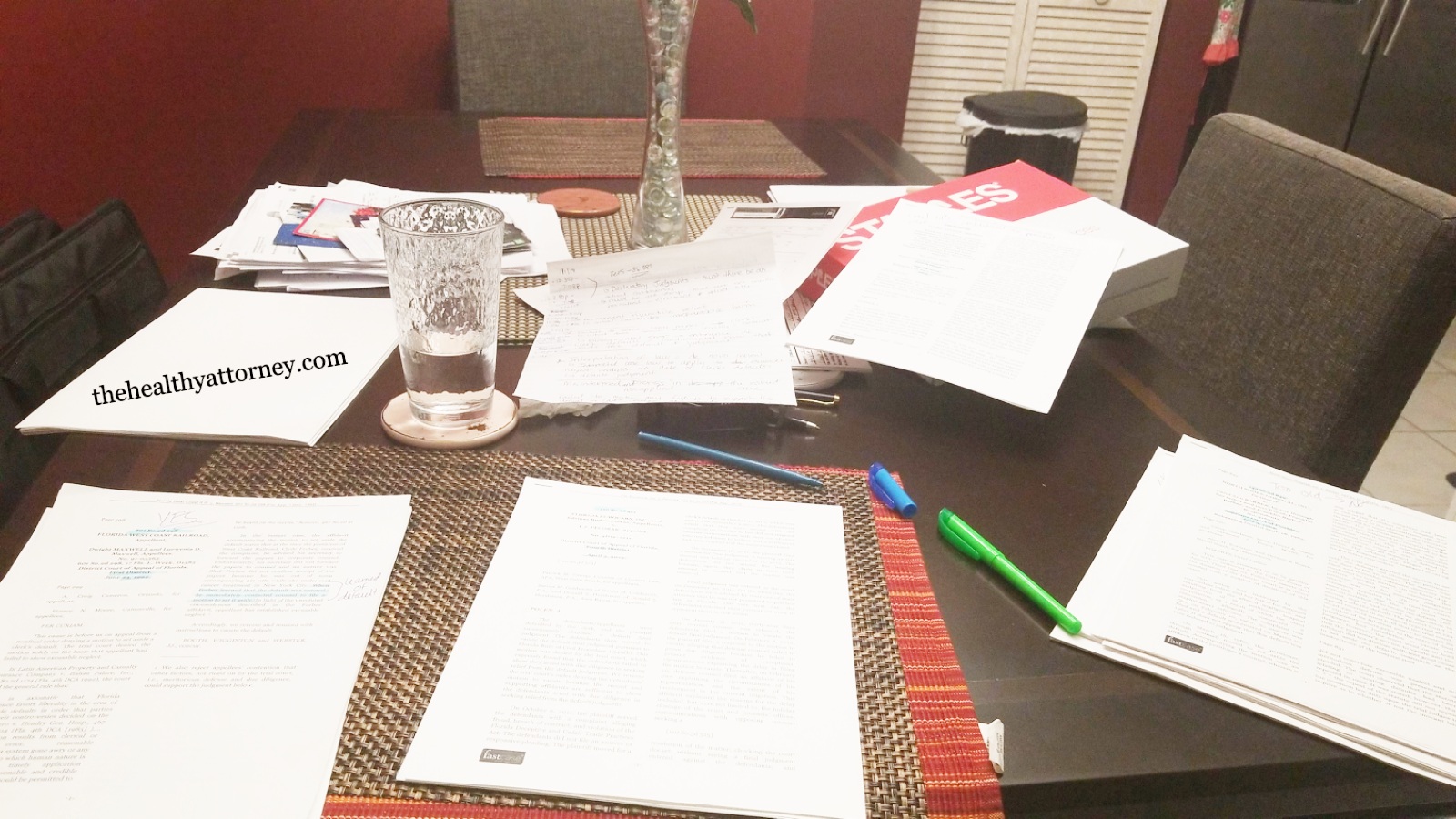
If you do insist on taking work home, then Dr. Lyle Kantor suggests following the one-time, one-space only rule. To follow the rule, you should designate a specific area in your house to complete work-related tasks and then put a time limit on performing the tasks. Once your time is up, stop working. Avoid bringing your work into your bedroom, living room, or kitchen. If bringing work home is a part of your work life balance, then you should consider investing in a desk and avoid working while watching television.

The same concept applies to those who work from home. If you work from home, then you should designate a specific area for work and not perform work activities in various parts of your home.

Home work can be a necessary part of life, but following the suggestions above may help you maintain a healthier home work life balance.

Filed Under: Challenge, HAWC Insights, Lifestyle

Exercise Breaks

May 3, 2018 by HAWC

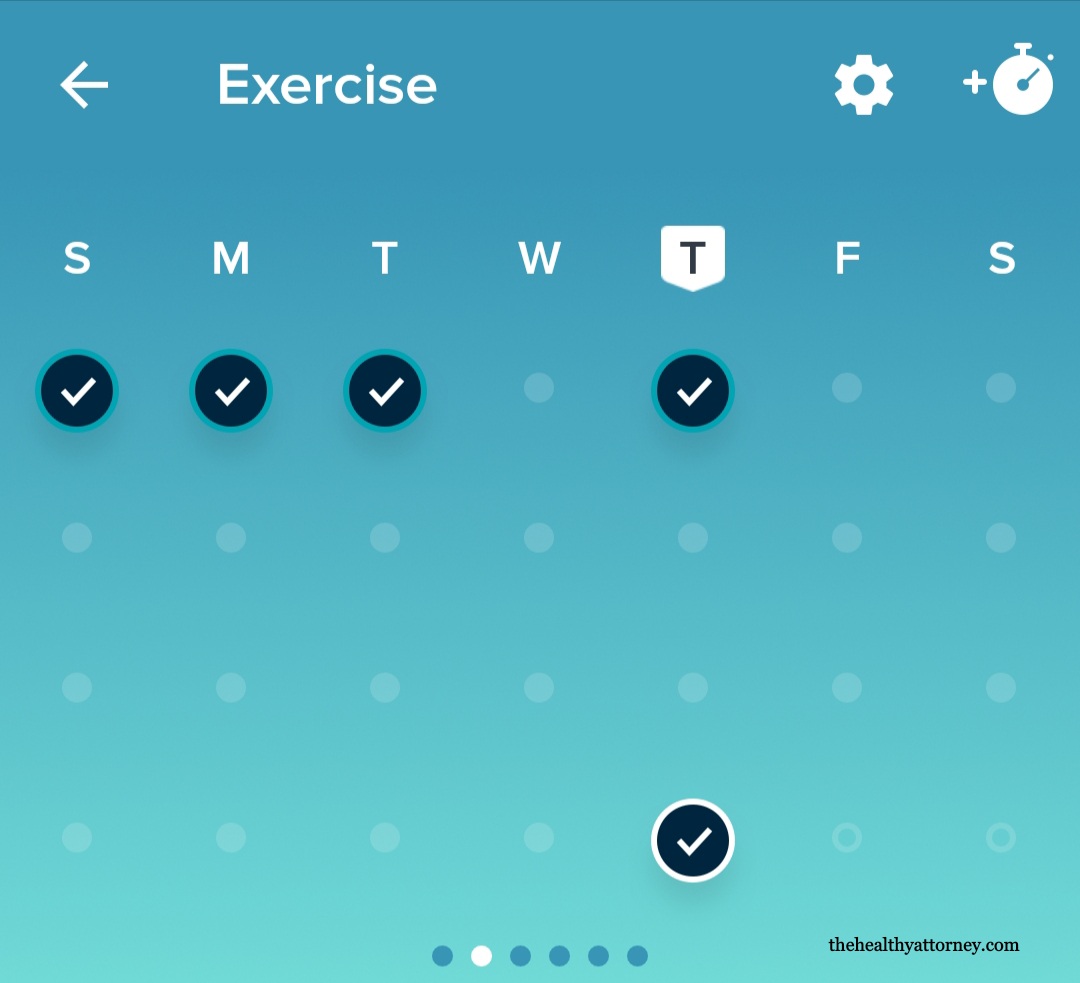
A rest day can turn into a rest week or month, but . . . is that a bad thing?

The truth is that exercise breaks or hiatuses are natural in a healthy lifestyle. Life happens and sometimes exercising has to be placed on a back burner until your mood increases or your personal crisis gets resolved.

However, if you make exercise a part of your life, then a break or hiatus will always end because you know that being your healthiest self means incorporating exercise into your life and you know that there is no better self-treatment than a good sweat session.

So, if it’s been a week, month, or almost a year since your last sweat session, plan your next one. You’re just on a break right now and that’s 100% ok. If you have a personal crisis that will be resolved in two weeks, plan your next sweat session for the following week and keep it simple.

Remember, the journey to health is a personal life journey; there are no rules or deadlines just keep working towards a healthy lifestyle in your own way.

Filed Under: Exercise, HAWC Insights, Health

  • « Previous Page
  • 1
  • 2
  • 3
  • 4
  • …
  • 8
  • Next Page »

Main Categories

Health
Wellness
Lifestyle

General Categories

Challenge
Food
Beverage
Exercise
Wealth

Specific Categories

Warning
Mentality
Food Quality
Legal Impact
Weakness

Copyright © 2026 · Health Affixed, LLC | Terms & Policy of Use